- Hot
- Portable
- Countertop
- miniPOS
- Retail PIN Pad
- Smart ECR
- Unattended
- QR Payments


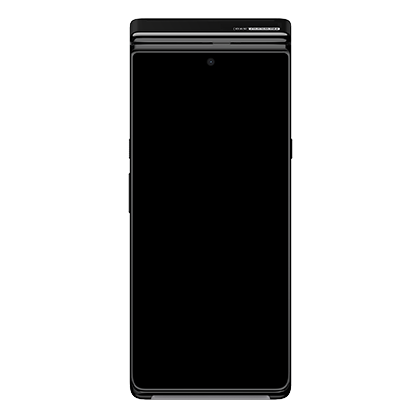
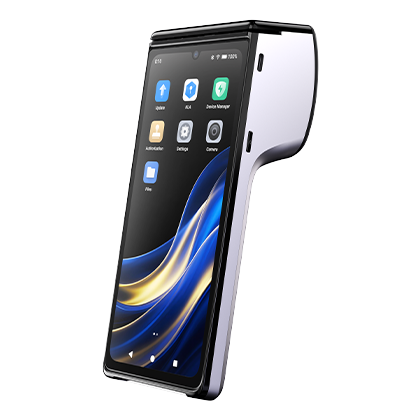
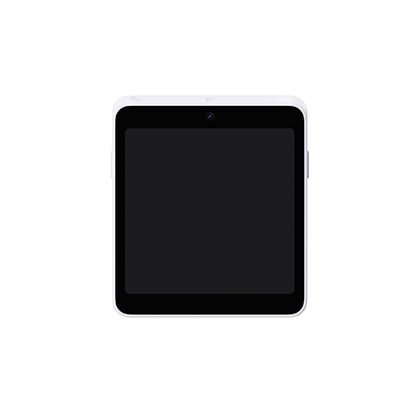



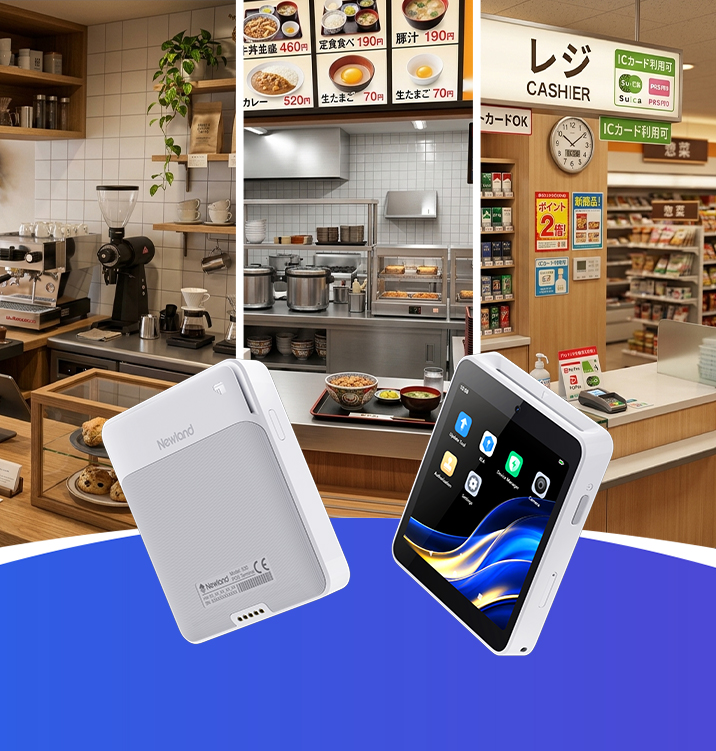
In Japan's retail market, high-frequency environments such as cafés, quick-service stores, and small-to-medium-sized retailers place increasing demands on payment infrastructure, where transaction speed, payment flexibility, and customer experience are critical.
As merchants' business needs continue to evolve, traditional terminal setups may face limitations in terms of product lifecycle, integration flexibility, and support for modern retail payment scenarios. In particular, cafés and quick-service retail environments require compact, stable, and multi-payment-capable terminals that can support fast checkout during peak business hours.
To remain competitive and better serve Japan's growing SMB market, local payment ecosystem providers require more reliable, scalable, and integration-friendly payment solutions that can support multiple payment methods and future business expansion.
Japan's retail market is undergoing a rapid transition toward cashless payments, driven by the growing adoption of credit cards, e-money, and QR payments. As consumer payment preferences continue to diversify, SMB merchants increasingly require cost-effective and easy-to-integrate payment solutions that can support multiple payment methods while ensuring reliable performance in daily operations.
For local solution providers, the challenge is not only to enable payment acceptance, but also to deliver solutions that can be smoothly integrated into different merchant environments, including iPad-based retail systems, Android-based retail systems, PC-based cashier systems, and external receipt printers. Flexibility, scalability, and ease of deployment have become increasingly important as merchants seek to modernize their payment infrastructure.
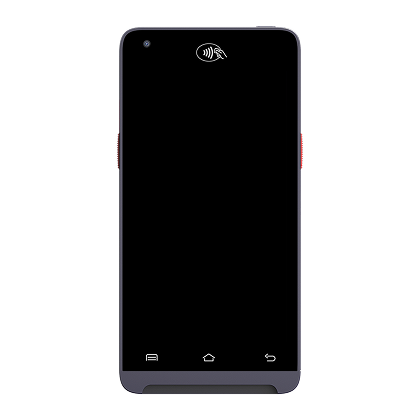
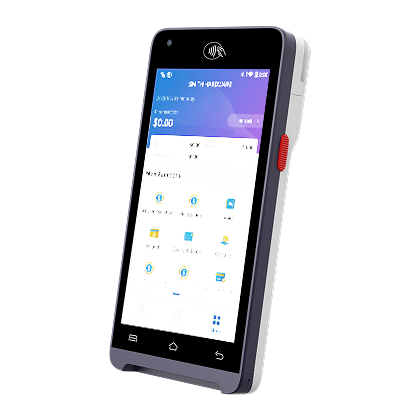
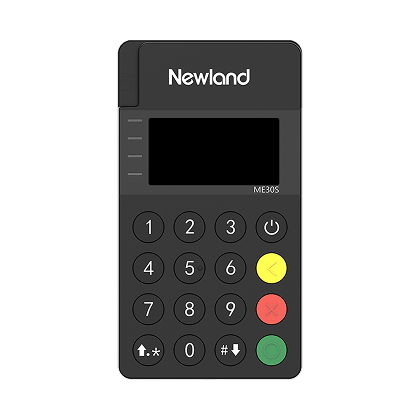
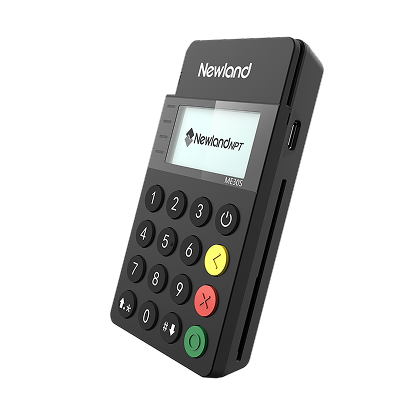
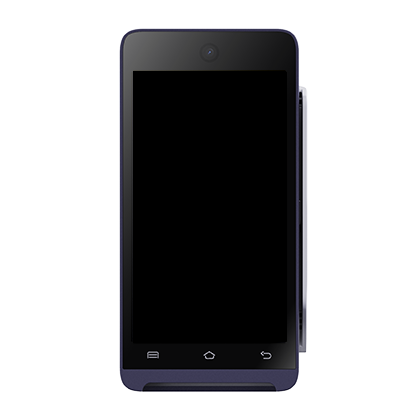
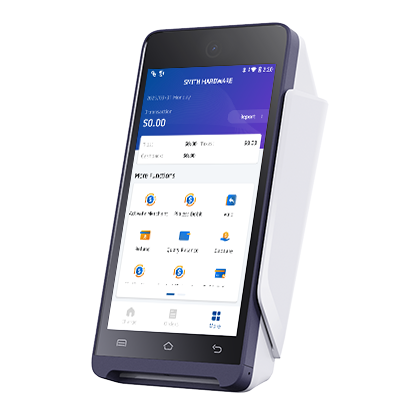
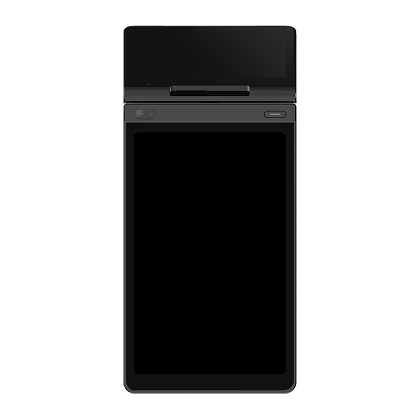
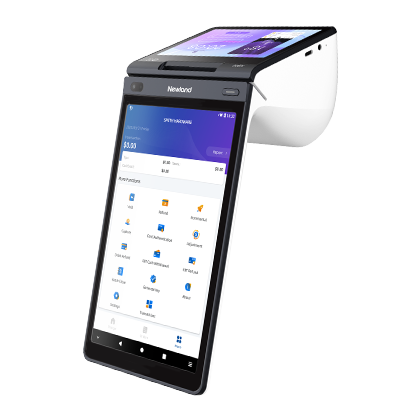
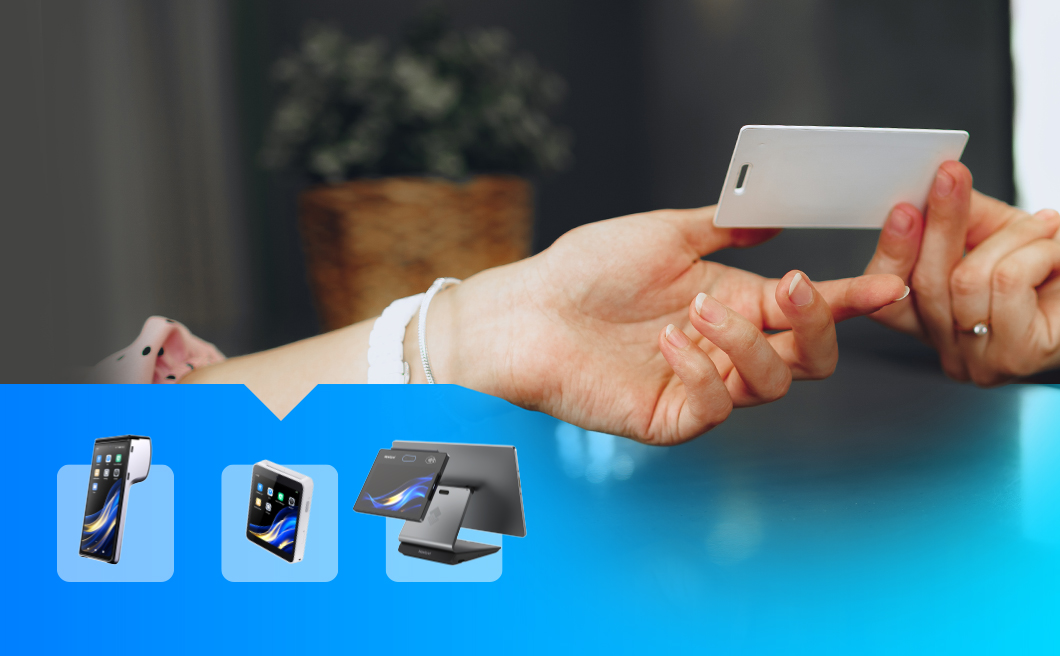
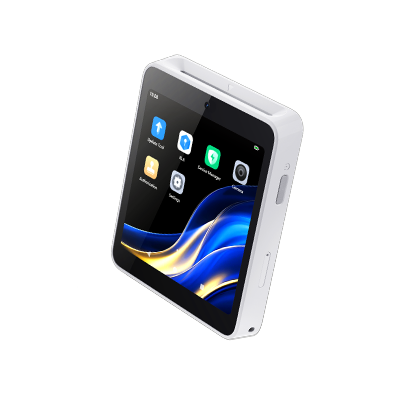
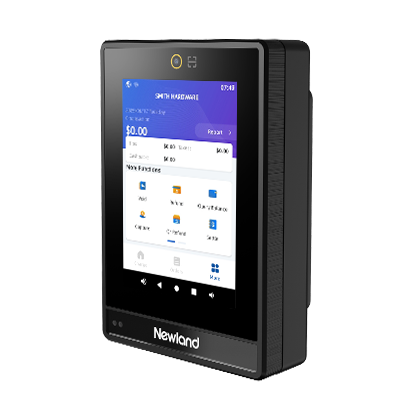
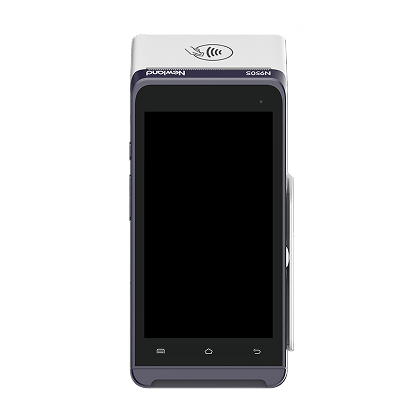
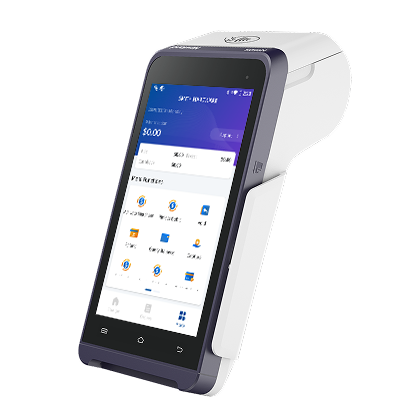
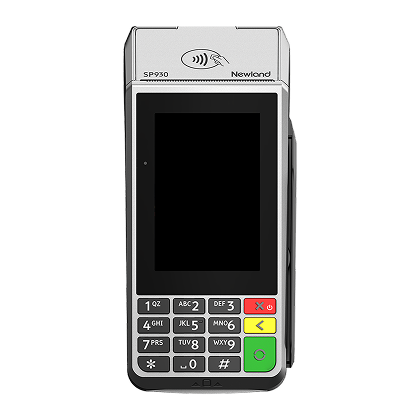
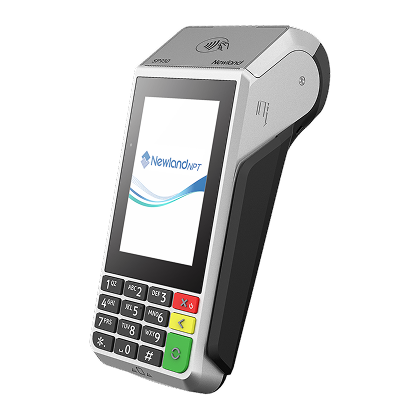
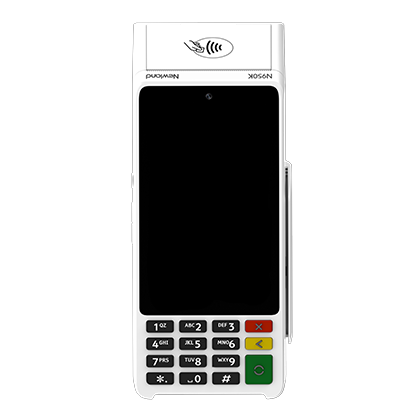
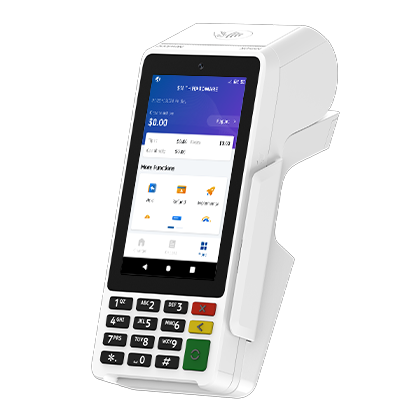
To address these requirements, S30 miniPOS from Newland NPT provides a compact Android-based payment terminal that can be integrated with iPads, Android tablets, and PC-based retail systems. Combined with Bluetooth printers and local payment applications, the solution enables flexible deployment across a wide range of small and medium-sized retail scenarios.
By supporting credit cards, e-money, and QR code payments within the local payment ecosystem, S30 helps merchants expand their payment acceptance capabilities while maintaining a simple and efficient checkout experience.
With its compact design, competitive pricing, and scalable architecture, S30 is well suited for large-scale deployment among small and medium-sized merchants in Japan, particularly in cafés, quick-service restaurants, and specialty retail stores. As an Android-based miniPOS, S30 can also display order amounts, product information, and promotional content directly on the terminal screen, helping merchants reduce reliance on additional devices such as smartphones or external displays. This can contribute to lower deployment costs while providing greater flexibility for checkout operations and in-store customer engagement.
For retail deployment scenarios, stable connectivity and smooth integration with existing merchant systems are critical. Traditional device setups may face challenges related to Bluetooth reliability, integration complexity, and limited flexibility for future upgrades.
S30 supports stable connectivity across Bluetooth and Wi-Fi environments, helping ensure consistent transaction performance even in high-frequency retail scenarios. Its Android-based platform also provides greater flexibility for application development, payment integration, and future customization.
Through collaboration with local payment ecosystem partners, S30 can be integrated into existing payment processing workflows and support transaction acceptance through mainstream local payment channels. This allows merchants to benefit from a more modern, scalable, and integration-friendly payment environment.
By combining flexible hardware, payment applications, and local ecosystem expertise, this solution model helps deliver a more stable and adaptable payment acceptance experience for Japan's growing SMB retail market.
Japan's SMB retail market encompasses a wide variety of business formats, each with different operational requirements. To support these diverse environments, payment solutions need to be flexible enough to integrate with existing systems while delivering a consistent checkout experience.
In small and medium-sized retail shops, S30 can work alongside iPad-based POS systems to support fast and intuitive payment experiences. Its compact design fits easily into limited counter space while providing full payment functionality, making it well suited for space-conscious retail environments.
For cafés and quick-service businesses, transaction speed is particularly important during peak hours. By supporting fast checkout and stable connectivity, S30 helps merchants streamline payment operations, improve service efficiency, and reduce customer waiting times.
Many merchants operate a combination of iPad, Android tablet, and PC-based cashier systems. In these environments, S30 can be integrated into existing workflows, enabling smooth transaction processing across different store formats and business models.
When paired with Bluetooth printers, the solution supports traditional paper receipt issuance while remaining ready for future digital receipt initiatives. This provides merchants with flexibility to support both current operational needs and evolving customer engagement strategies through applications, websites, and other digital channels.
The S30-based solution is designed to provide a flexible and scalable payment acceptance model for Japan's SMB retail market. By combining payment flexibility, integration capability, and deployment efficiency, it helps address many of the operational needs faced by today's retailers.
Key benefits include:
The Japan SMB retail payment deployment scenario highlights the value of combining Newland NPT's flexible Android payment terminal capabilities with local payment ecosystem requirements.
By replacing legacy terminal setups with S30-based solutions, merchants can better address their needs for reliability, payment method diversity, cost efficiency, and future scalability. As Japan's SMB retail market continues to evolve, solutions that offer flexibility, integration capability, and long-term scalability will play an increasingly important role in supporting merchants across a wide range of retail environments.
 Back
Back